

Facts and Fiction: 5 Microplastic Myths with Dr. Jenni Brandon
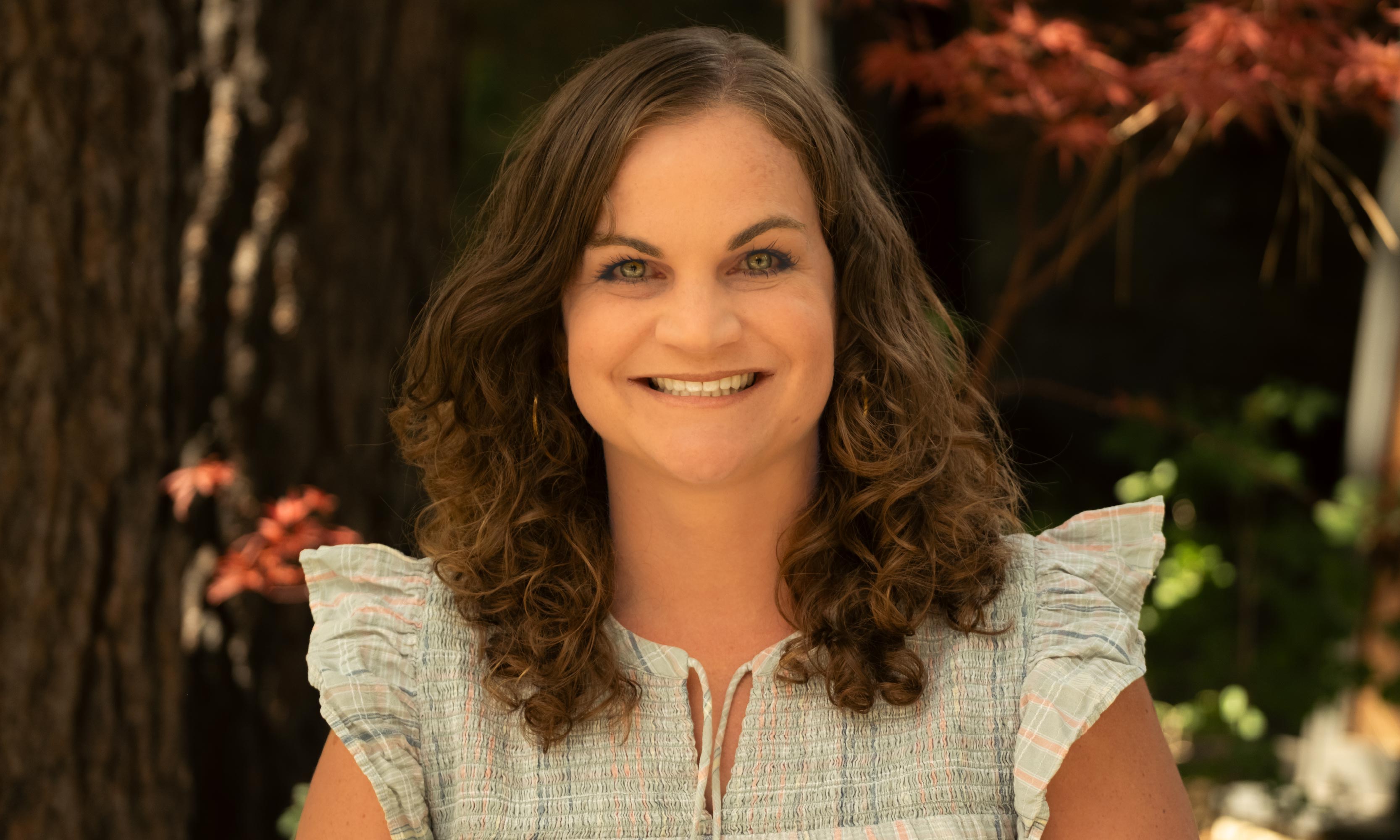
With the countless headlines about microplastics everywhere, it can be hard to know what to believe, what to be concerned about, and what’s simply untrue. So, we sat down with Young Leaders alum and microplastics expert, Dr. Jenni Brandon, to separate fact from fiction.
August 27, 2026
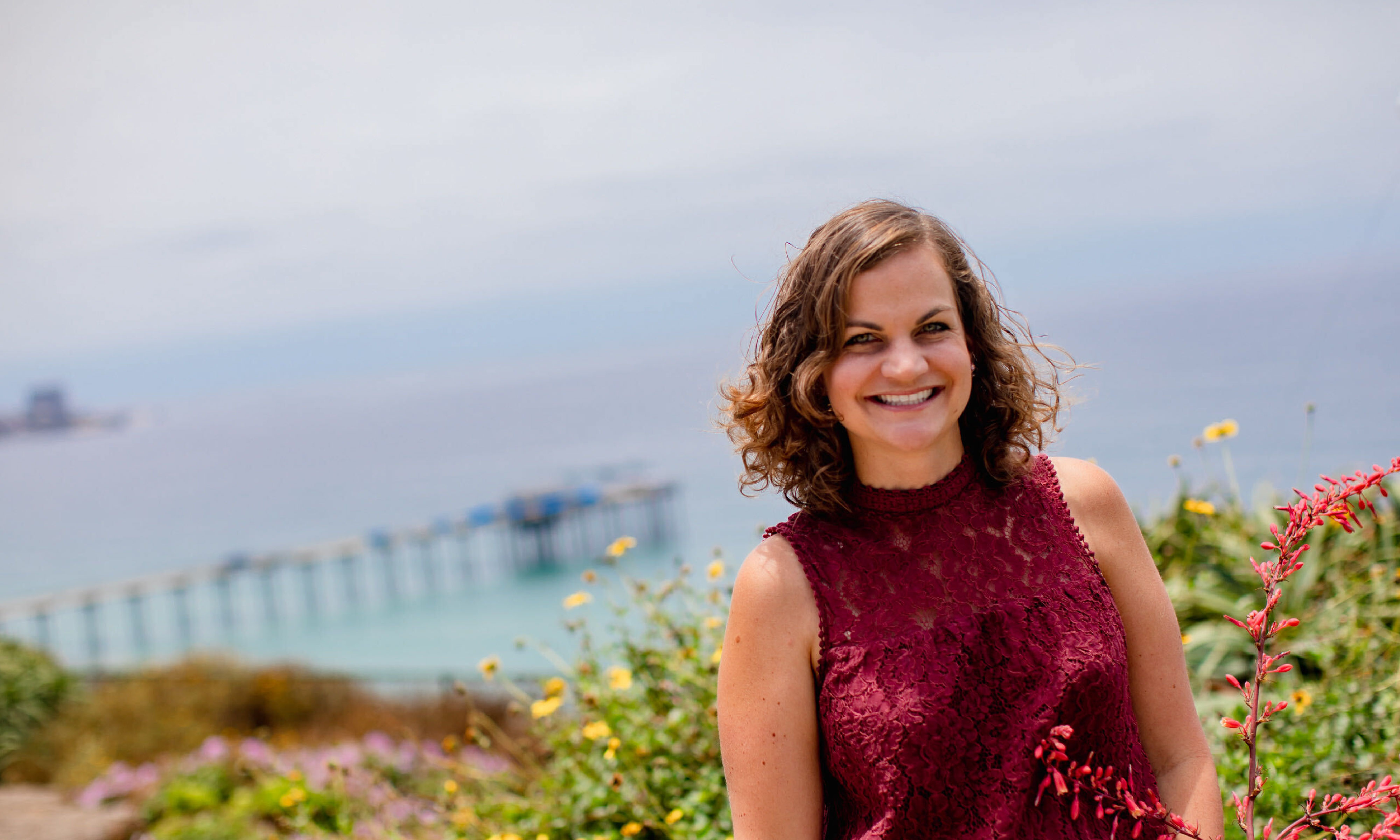
With the countless headlines about microplastics everywhere, it can be hard to know what to believe, what to be concerned about, and what’s simply untrue. So, we sat down with Young Leaders alum and microplastics expert, Dr. Jenni Brandon, to separate fact from fiction. In our conversation, she shared five common microplastic myths and misconceptions, while helping explain the importance of science communication and discerning what is real and what is not.
Myth #1: There is a “Island of Trash” in the Middle of the Ocean
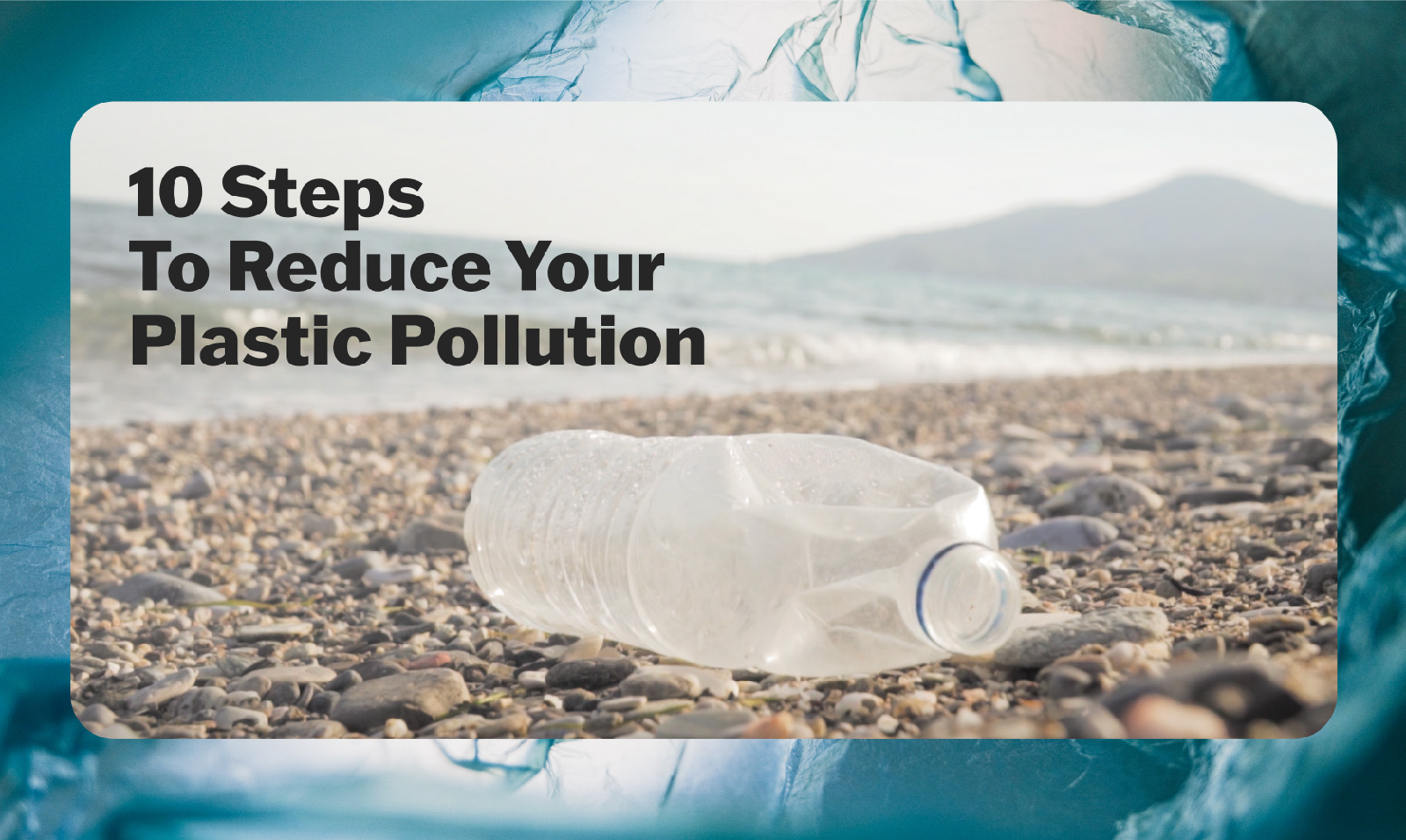
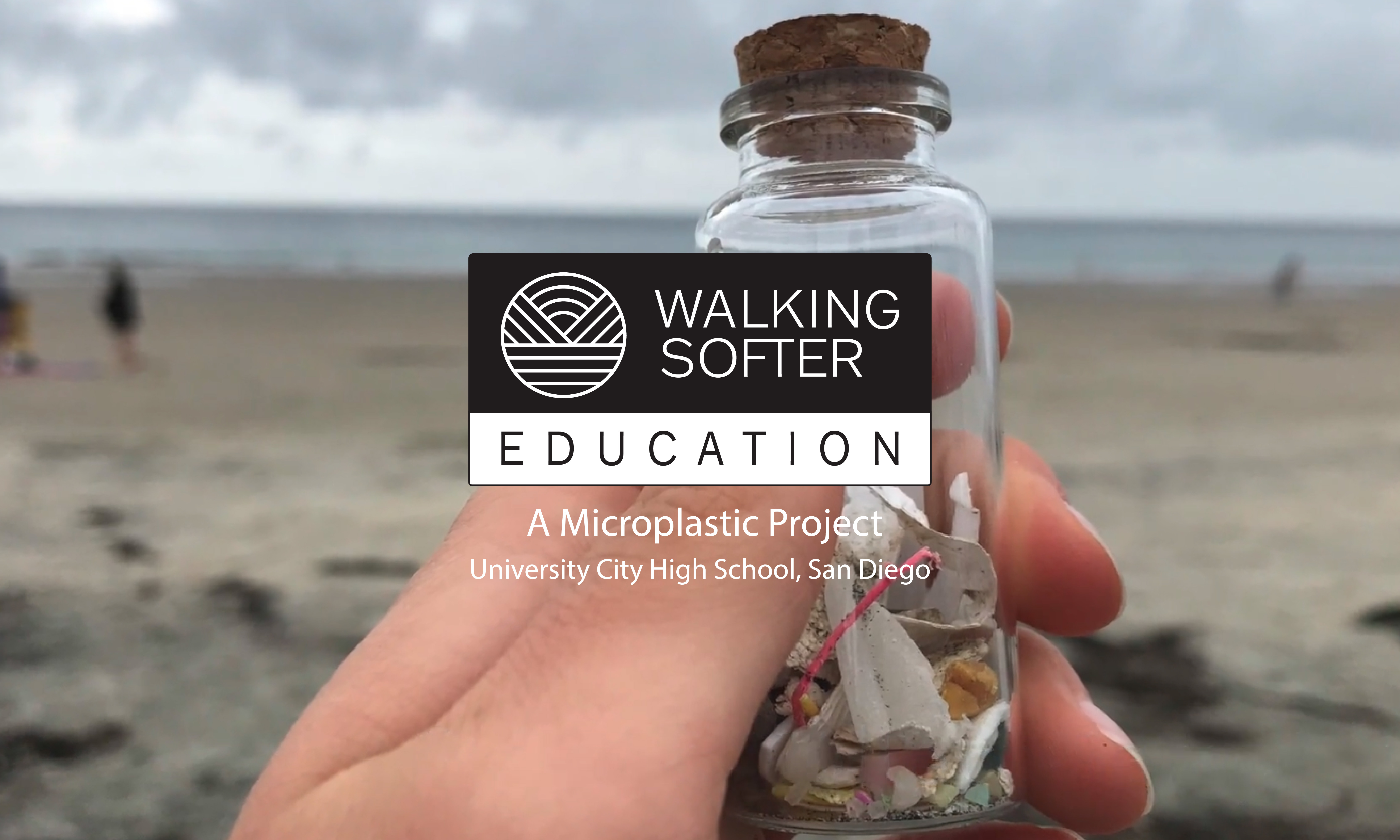
When you picture plastic pollution in the ocean, the image of a giant floating body of plastics might come to mind. Perhaps the most surprising thing I learned in our conversation is that there is not necessarily an “island of trash” just floating around in the ocean…that’s not quite how ocean plastic works. Most plastic in the ocean is approximately the size of confetti or smaller…making it a lot less like an island of trash and more like what Dr. Brandon calls “a microplastic soup.” While there are some masses of trash, this is not an accurate representation of the plastics issue in the ocean.
Myth #2: You Consume a Credit Card Worth of Microplastics Per Week
Dr. Brandon noted that one of the biggest eye-rolling myths she has come across is that we consume a credit card size worth of microplastics per week. She emphasized the importance of science communication when it comes to statistics and studies such as this one. The idea of consuming that much in microplastics is honestly startling, and Dr. Brandon assured me that the reality and data is “not nearly that bad.” This information actually represented an outlier in a study, rather than a typical amount consumed by the average person. This doesn’t mean that microplastic consumption is not worth paying attention to, just that we should be more careful about taking a shocking headline at face value and being too quick to believe it.
Myth #3: Single-Use Plastics are the Sole Cause of the Microplastics Issue
When I think about the plastics issue, my mind goes straight to the obvious culprits…single-use products such as plastic bottles, plastic bags, packaging, and straws. While single-use plastics are a huge contributor to the microplastics issue as a whole, they are not the main cause. Microplastics come from a much wider range of sources, including synthetic clothing fibers, laundry, and the one that surprised me the most…TIRES! Unlike other forms of pollution, tires contribute to the microplastics issue continuously as we drive and our tires wear down on the road, releasing tiny particles of synthetic materials that get carried into storm drains and waterways. I have never even thought about my tires being a source of microplastic pollution, so this was a very surprising fact to learn.
Myth #4: We Can Clean Up All The Plastic In The Ocean
If there is plastic in the ocean, why can’t we just pick it up and clean it? The question is understandable, and one that pollution and plastics experts have heard plenty of times. However, Dr. Brandon shared that while the intention is good, ocean cleanups are just not going to have the most impact. Ocean Pollution is “kind of like smog, you can’t just go in and clean it up the same way you can’t capture and clean smog from the air.” The majority of plastics in the ocean are the size of confetti or smaller and much more widely dispersed than many people realize. This makes ocean plastic cleanup efforts quite difficult, potentially ineffective, and extremely resource-intensive. With that being said, this doesn't mean that ocean cleanups have no value. But when it comes to the ocean, prevention can be much more effective than trying to essentially chase down plastic after it has been dispersed and broken down into smaller fragments.
Myth #5: You Have To Take Big Steps To Make a Real Difference
With all the information surrounding microplastics, it can feel overwhelming to know what things you can do to make a difference. Oftentimes, we feel like making big changes and taking huge steps (...looking at you, ocean cleanup) would be the most effective way to reduce your exposure and make a real difference. However, this is not the case. Some of the most practical and effective ways to reduce your exposure don’t require you to completely change your lifestyle. “You can fight the plastic issue at every level” by making simple swaps like replacing plastic cutting boards, using a pour-over coffee maker instead of plastic pods, switching from bagged tea to loose leaf, and opting for filtered tap water instead of bottled. Dr. Brandon’s good news is that it is becoming more accessible and easier to make smaller everyday swaps to reduce microplastic exposure. Her advice is not about achieving a perfectly plastic-free life, but about figuring out where you can make small changes that can have a bigger impact.
Microplastics are a complicated issue, and while the mysteries and misconceptions of microplastics are scary, Dr. Jenni Brandon did leave us with some glimmers of hope. “The data is not as bad as you think. So you're not eating a full credit card of plastic a week…it's not nearly that bad. Then there’s this idea that people have a spoonful of plastic in their brain. That myth went around for a long time, and it’s not true.” I’ll be the first to admit that I’ve fallen victim to a scary headline regarding microplastics before, and my conversation with Dr. Brandon reminded me of the importance of taking a step back, looking at science, and realizing that I don’t have to be the perfect environmentalist or live a completely plastic-free lifestyle to make a difference.
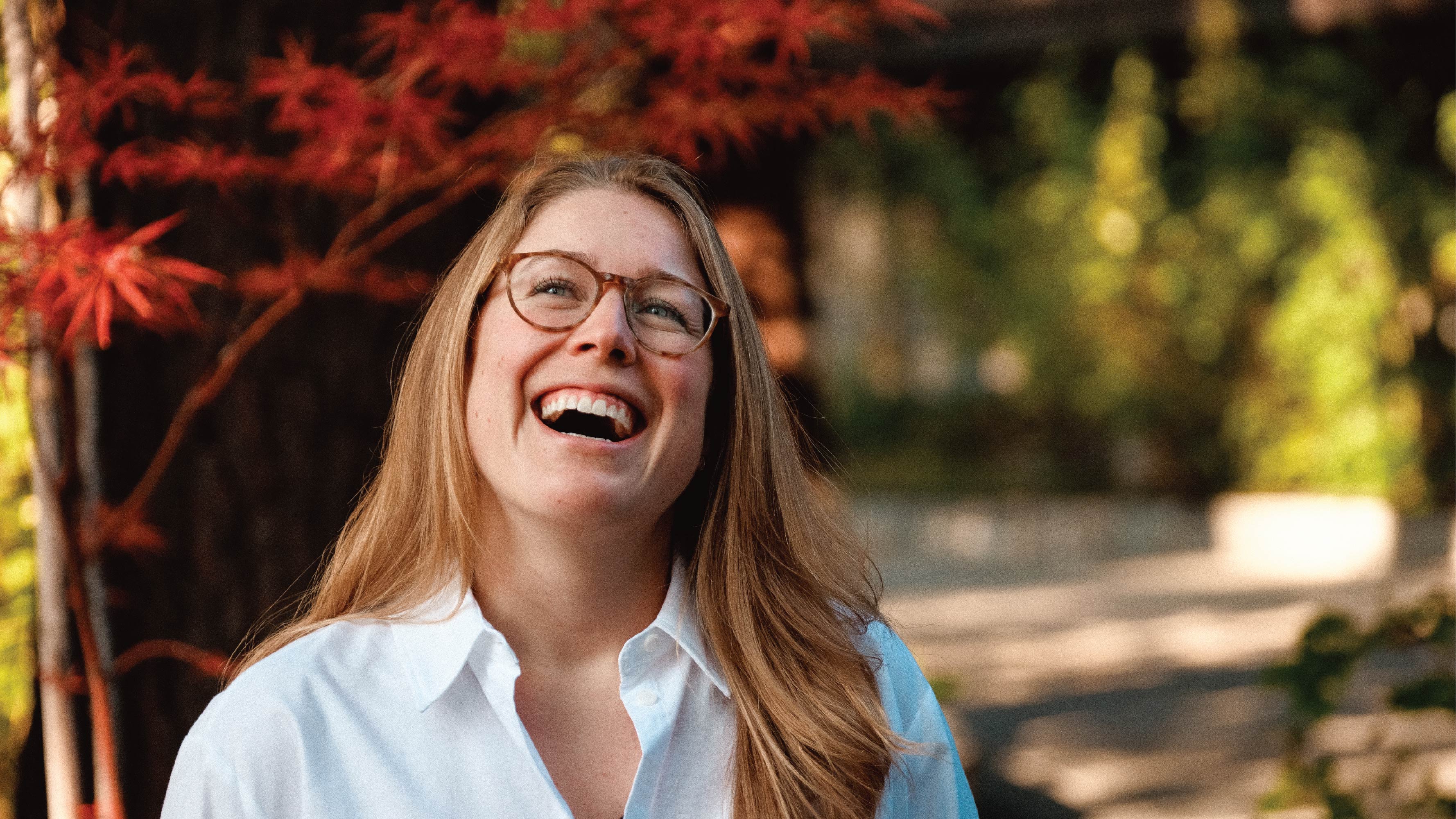
Learn more about Jenni’s background as an oceanographer, science communicator, and sustainability consultant.































.jpg)







Subscribe to the Walking Softer email newsletter
Be the Changemaker - join our email list for the latest news and opportunities.